Celebrating neurodiversity at JobAccess: Voices from our team
Neurodiversity Celebration Week, which is being marked this week, reminds us that our differences aren’t weaknesses – they’re strengths.
Supporting inclusive employment is part of JobAccess’ everyday work. We help employers and people with disability by giving practical advice, helping with workplace adjustments, and supporting inclusive recruitment. We also work to build these same values in our own workplace.
To mark Neurodiversity Celebration Week, we asked four neurodivergent JobAccess team members to share their experiences. They explain what inclusion looks like to them and what helps them do their best work.
Small adjustments, big impact
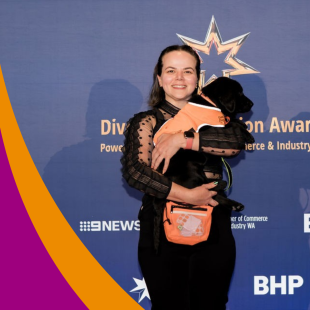
Monica is an Employment Assistance Fund (EAF) advisor. She works closely with employers and people with disabilities daily. Helping transform inclusive goals into real, practical support in the workplace.
She says small actions make a difference.
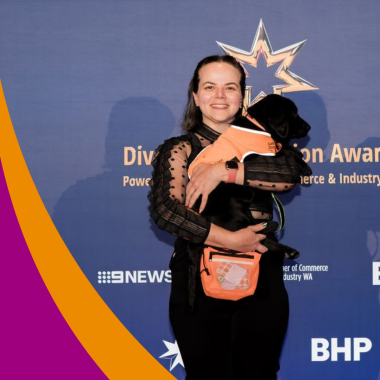
“Inclusivity isn’t one big decision,” Monica said.
“It’s lots of small adjustments, like having captioning on virtual meetings.”
She likes JobAccess’s workplace flexibility and culture of trust. This lets her ask for help when needed and support others when she can.
“I can work from home or adjust my hours to accommodate my needs with confidence from my management that productivity won’t be impacted,” Monica said. “That culture of trust helps me thrive.”
Monica was proud to represent JobAccess in a recent City of Swan video.
"I think it’s great to be able to put faces to names, and it helps build a personal approach to the funding,” Monica said.
“I am grateful for the opportunity to promote the EAF, and I hope the video inspires employers.”
Her message to workplaces is to start by asking what employees need.
“We’re not one size fits all; just ask people what they need.”
Creating space to be yourself
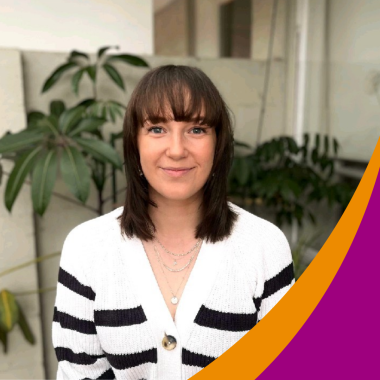
For JobAccess’ digital marketing lead Ellenie, inclusion starts with feeling safe.
“An inclusive workplace is one where people feel safe to be themselves without having to hide parts of who they are,” Ellenie said.
“It’s about being listened to and supported when you ask for what you need.”
After receiving a late attention deficit hyperactivity disorder (ADHD) diagnosis, Ellenie says having a supportive team made all the difference.
“The team was incredibly understanding and supportive,” she said.
“Simple changes like written instructions and post-meeting actions help me stay focused and organised.”
As the digital marketing lead, Ellenie uses her lived experience to create communication that is meaningful and authentic for our audiences.
She points out that workplace inclusion isn’t about treating everyone the same; it’s about recognising different needs and responding with empathy.
“Neurodiversity isn’t something that needs to be fixed,” Ellenie said.
“With the right support, different ways of thinking can be a real strength.”
Supporting inclusive employment
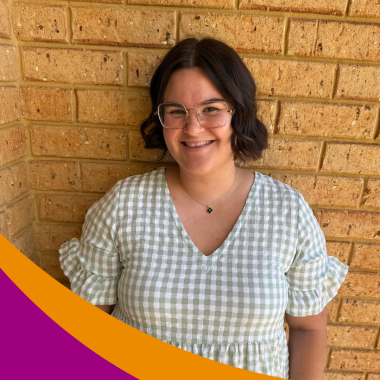
Chantal is the Employment Assistance Fund (EAF) lead, and says that inclusion means equity.
"The supports one person needs aren’t necessarily appropriate for another, even if they have the same diagnosis,” she said.
Chantal leads the EAF team to help employers and employees get practical workplace adjustments. It's the small, thoughtful workplace adjustments that help Chantal do her role well. Being free to dive into productive times and take a break when it's tough to focus has been life changing.
"Workplace adjustments are an investment in productivity,” she said. “A small adjustment can have a profound influence on an employee's contributions."
Chantal is proud of JobAccess' inclusive culture and its impact.
"We have a team that is willing to support and lean on one another and feel comfortable talking about their challenges.”
Having an open culture that allows staff to bring their whole self to work makes for a happier, more productive team.
“You will get the best out of your team when they understand what is expected of them and they have an avenue to discuss if they need extra support,” she said.
Chantelle said her day-to-day strategy is starting with an easy task to build momentum and overcome procrastination.
Belonging, not just accessibility
Naomi is the Team Administrator with the National Disability Recruitment Coordinator (NDRC). She describes inclusion as something that goes beyond policies or compliance.
“To me, an inclusive workplace means a place where everyone feels welcome, safe and able to show up as themselves,” Naomi said.
“It’s a place where people are supported as a part of the whole, genuinely valued and respected, and allowed to contribute in meaningful ways in an environment that is free of discrimination or bias.”
Diagnosed with Autism and ADHD in their 30s, Naomi says understanding her neurodivergence helped reduce burnout.
“Gaining that understanding led me to the Neurodivergent community, which opened the door to informed research, sharing, tools and supports that help me better understand and work with my brain rather than against it.”
Simple supports such as hybrid work, lower lighting, quiet spaces, and clear instructions help a lot.
“These supports help me stay regulated, focused, and engaged.”
Naomi recently reached her six-month milestone at JobAccess, where she helps run webinars for more than 1,800 employers, service providers, and people with disability.
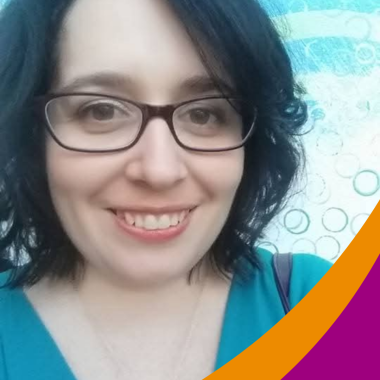
Through her role, Naomi helps employers access guidance on inclusive recruitment and workplace adjustments.
Her advice to employers is simple: create psychological safety, communicate clearly, and remember that one approach won’t work for everyone.
“I would also encourage employers to use the free supports available through JobAccess,” Naomi said. “The JobAccess advice service, including the EAF may help cover the cost of workplace adjustments, and the NDRC, the employer engagement service of JobAccess offers free guidance on inclusive practices through their partnership program.”
Want to make your workplace more inclusive?
Are you interested in seeing how you can make your workplace more inclusive?
Give us a call on 1800 464 800 to access free advice, guidance and support.
Share