How JobAccess helped Xzavier return to work after a life-changing illness
When Xzavier fell seriously ill last year, he never imagined how much his life and career would change.
“I caught meningitis, transverse myelitis and encephalitis,” Xzavier explains. “It affected my brain and spine, and I lost the ability to walk. I was in hospital from February to June, and it took nearly 10 months before I could walk again.”
After months of intensive rehabilitation, Xzavier was determined not to let his injury define his future.
“I just didn’t want to sit at home,” he says. “At 20 years old, I didn’t want to be that person who gave up. My goal was always to get back to work, so that’s what I worked toward.”
Before his injury, Xzavier worked as a welder - a physically demanding trade. As he started to recover, he realised that going back to welding would be tough. This was due to ongoing nerve damage and problems with temperature regulation.
That’s when an opportunity came up in a new field: installing air-conditioning ductwork.
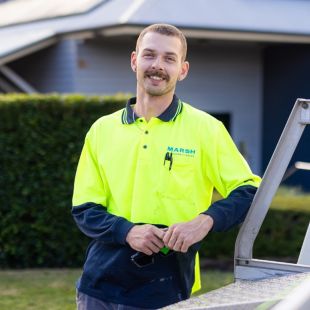
“I’m now a sheet metal duct installer,” Xzavier says. “I started in November last year. I install ducts, grills, fans and units - basically anything to do with mechanical ventilation. It’s kind of like Lego; you’re just trying to get everything to fit from point A to point B.”
The new career was a chance to stay in construction while adapting to his changed physical needs.
But returning to work wasn’t easy. To make the transition sustainable, Xzavier needed the right workplace adjustments.
Through the JobAccess Employer Assistance Fund (EAF), Xzavier received disability- related equipment to help him stay cool and comfortable at work throughout the day.
“I got a cooling vest and some other gear from JobAccess,” he explains. “It helps me keep my body temperature stable, especially when I’m working hard or in the sun. It makes a big difference.”
JobAccess also gave expert advice on the best adjustments for Xzavier’s condition. This made the process easy for him and his employer.
For employers, this kind of support can be game-changing. Small, practical adjustments can make a big difference in keeping skilled workers employed and productive. These include:
- adaptive equipment,
- flexible work options,
- or assistive technology
Did you know? We provide free, confidential advice to employers on how to make these changes through the EAF and other programs. This helps businesses build safer, more inclusive workplaces without added cost or complexity.
Learn about the EAF and see how we can help you make easy, effective changes in the workplace at: What is the Employment Assistance Fund? | Job Access.
Share